Article
Static vs Dynamic QR Codes: Choosing the Right Fit for Your Business
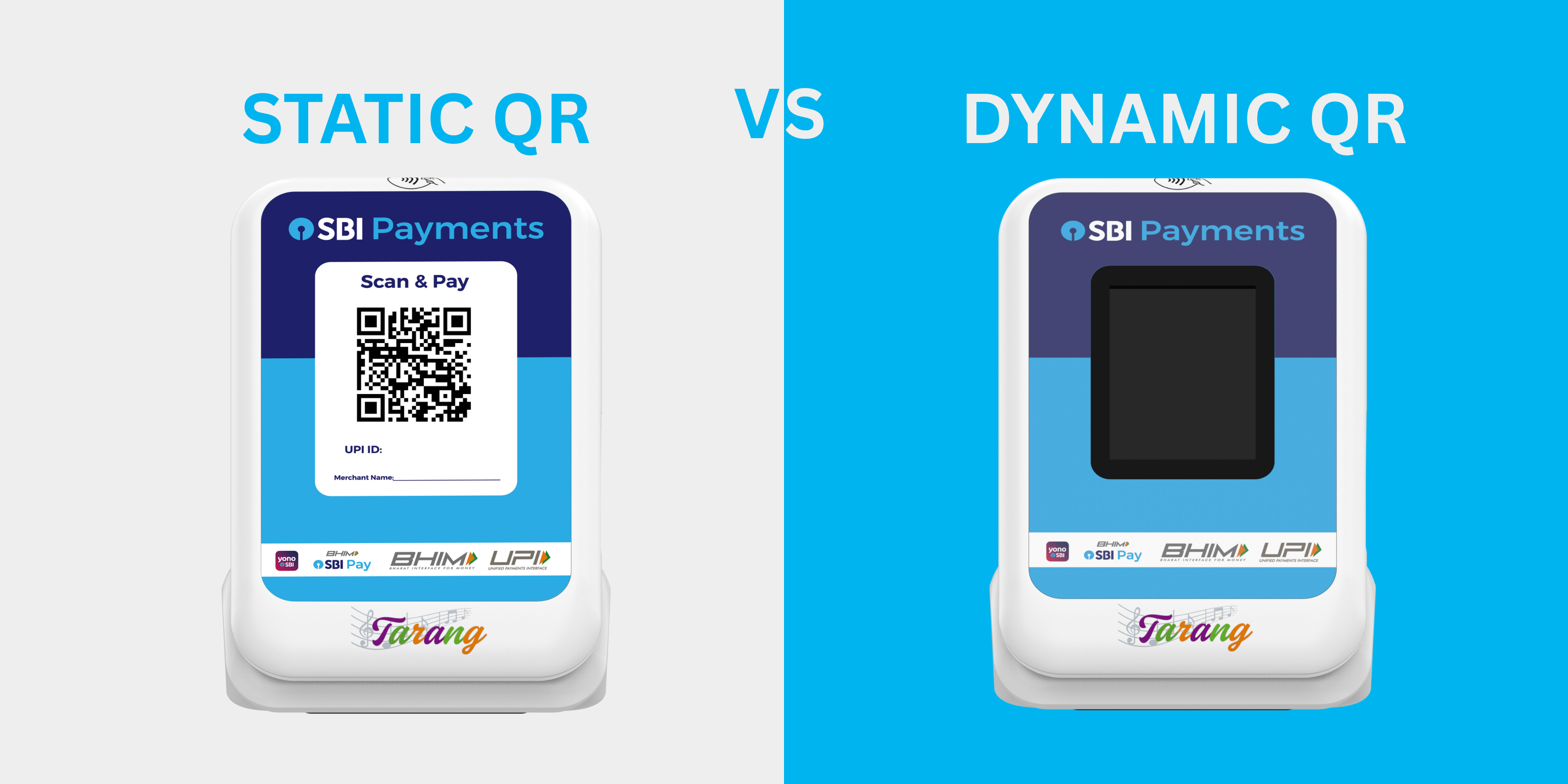
QR-based payments have become one of the most popular ways for customers to pay
digitally. However, not all QR codes function the same way. Understanding the difference
between static and dynamic QR codes can help merchants choose the right solution for their
business needs.
A static QR code remains fixed. Customers scan the code and manually enter the
transaction amount every time they make a payment. This option is simple, cost-effective,
and works well for small merchants with low transaction volumes.
Dynamic QR codes, on the other hand, are generated uniquely for every transaction. The
amount is pre-filled, reducing the chances of errors and making reconciliation easier. This is
especially useful for businesses with high footfall, multiple billing counters, or frequent
transactions.
While static QR codes offer simplicity, dynamic QR codes provide better control, accuracy,
and efficiency. Merchants should consider factors such as daily transaction volume, billing
complexity, and operational needs before choosing between the two.
Selecting the right QR solution can significantly improve checkout speed and enhance the
overall payment experience for both merchants and customers.
Share